W-01
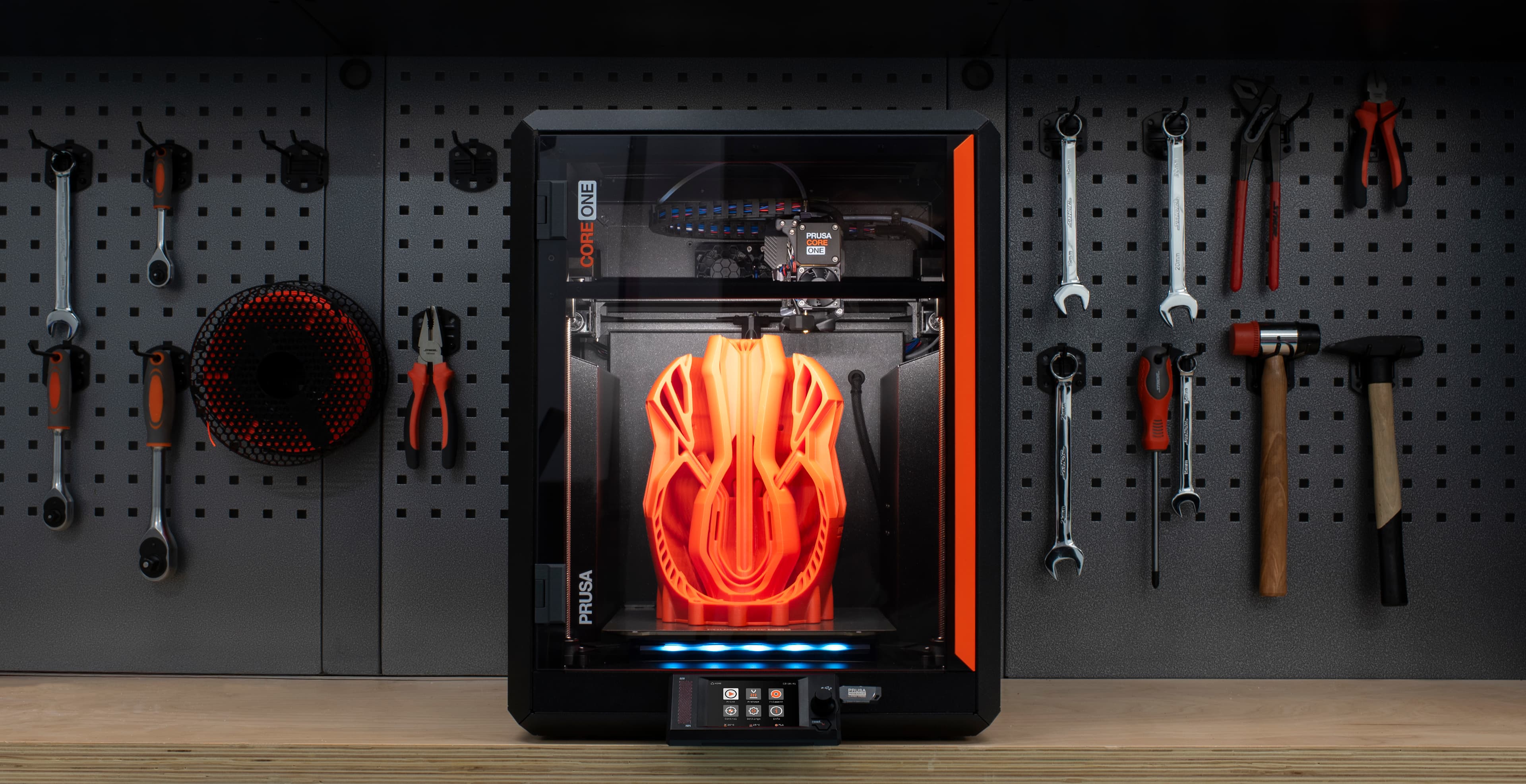
FDM 3D printing
Functional parts, housings, brackets and jigs. Fast and cheap enough to print three variants and keep the best one.
Independent R&D Engineer · Munich
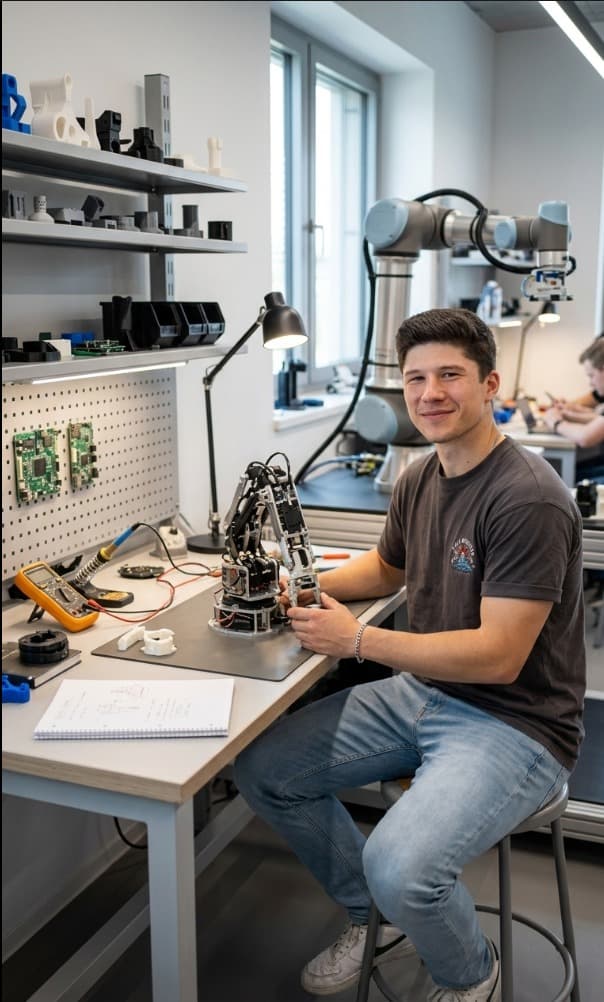
I'm Marcel, an independent R&D engineer. I develop new products and prototypes across mechanics, electronics, software and AI, and I build them in my own workshop, with FDM and resin 3D printers, a CNC machine and a well-stocked electronics bench.
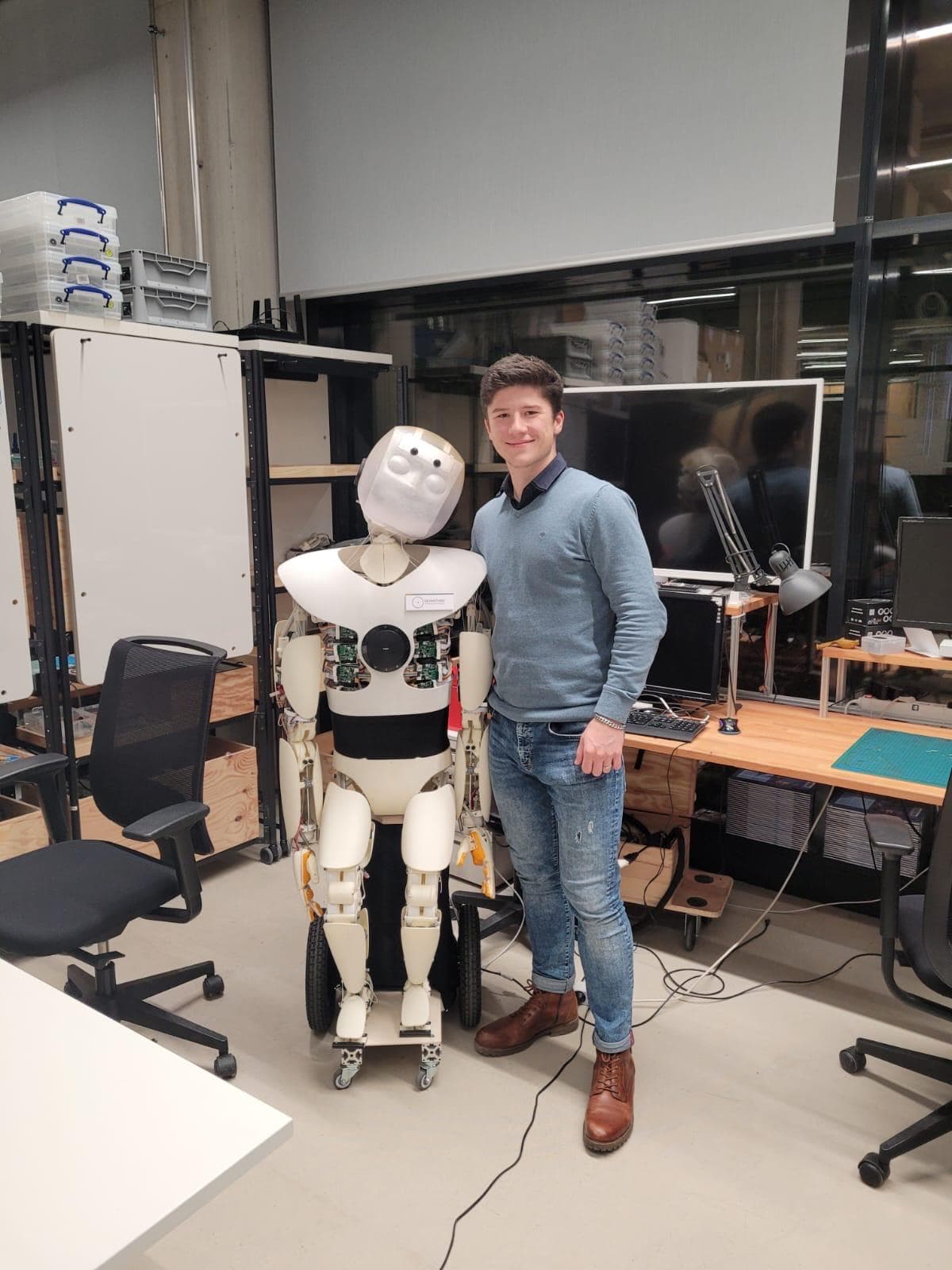
My background: computer science at TU Munich, software engineering at Siemens, two co-founded SaaS companies, and research in robotics at Devanthro and in tissue engineering at the University of Oxford.
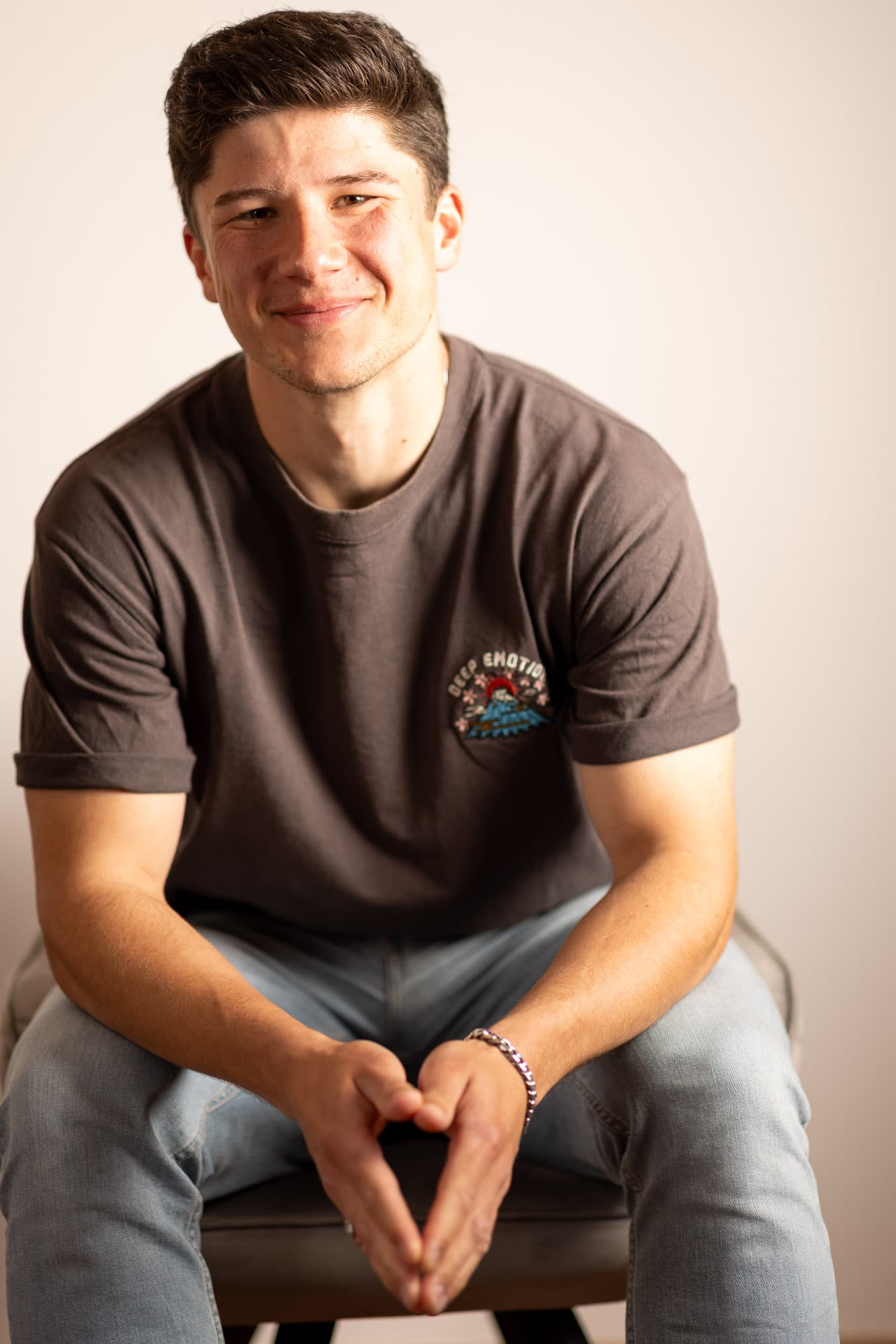 Fig. 01
01What I do
Prototypes rarely fail inside a single discipline. They fail where disciplines meet: the sensor that doesn't fit the housing, the firmware that can't keep up with the motor, the model that runs on a laptop but not on the device. I work across all four, so the problems at those interfaces get solved by one person instead of being passed between teams.
Parts designed in CAD and made in-house, from the first print to the CNC-machined component.
Electronics that sense, control and drive hardware, and the firmware that runs on them.
The software around the hardware, and software products in their own right.
Robot learning on physical hardware, and AI agents that take over work inside a business.
02The workshop
Most of what I design gets made right here. Print overnight, test in the morning, change the CAD by noon. That loop is the reason I keep my own workshop: no waiting on a supplier for every revision, and nothing gets lost between the drawing and the part.
Functional parts, housings, brackets and jigs. Fast and cheap enough to print three variants and keep the best one.
Fine detail and smooth surfaces for small mechanisms, fluid chambers and parts that need to look finished.
For parts that need to be stiffer, more precise or more durable than a print.
Components, sensors and microcontrollers in stock, plus the tools to solder, measure and debug them.
Design, build, test, repeat. With everything under one roof, a prototype can go through several revisions in the time it takes an outsourced part to arrive.
03Selected work
Research hardware, robots, connected devices and AI systems. Some for clients, some for research, some because I wanted them to exist.
 01 / 04
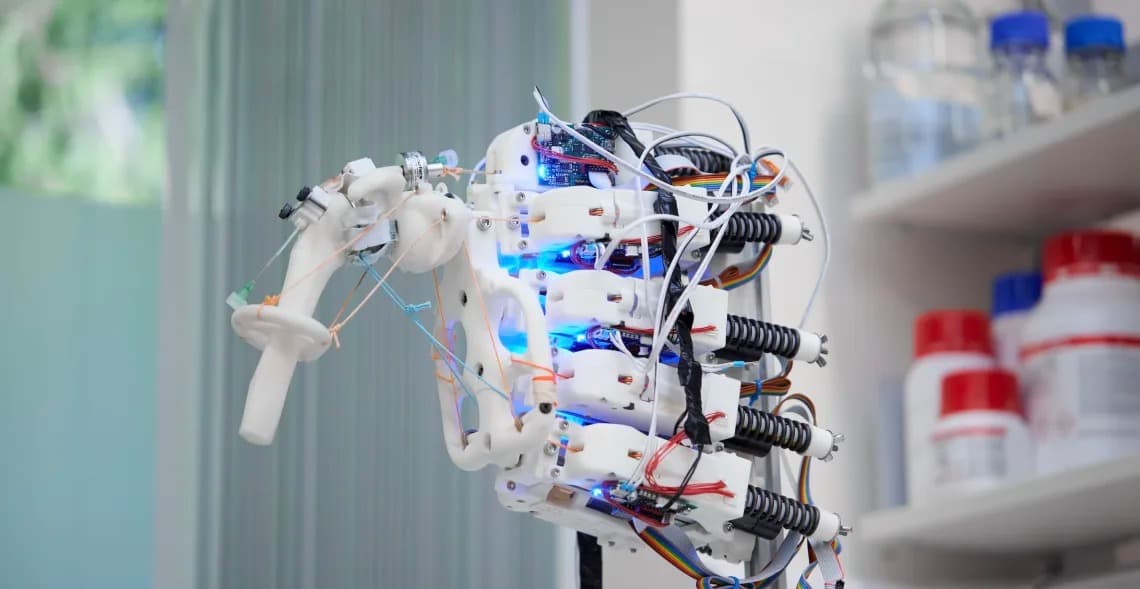
Research · Hardware
A soft, flexible bioreactor chamber for growing skeletal muscle tissue, with perfusion and mechanical stimulation. Designed in Fusion 360, SLA-printed and extended with integrated sensing.
 02 / 04
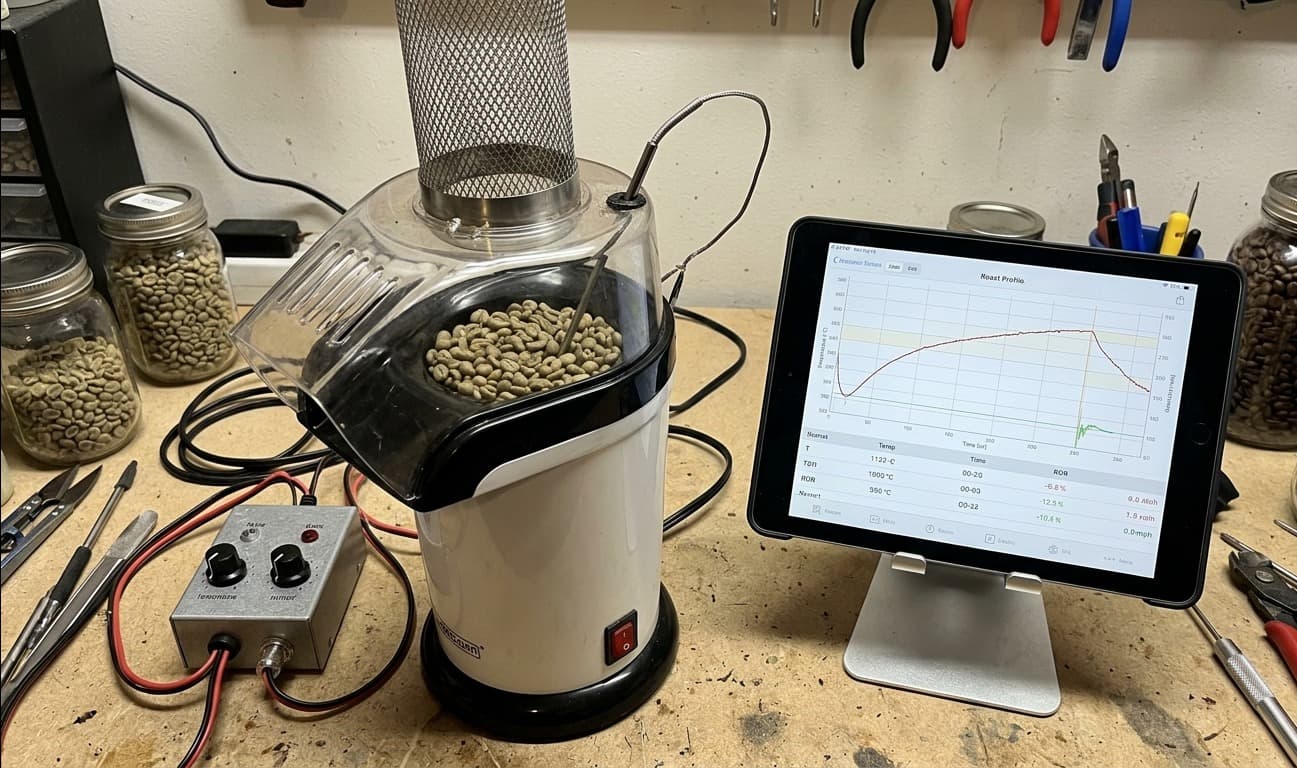
Hardware
A connected roaster with closed-loop temperature control and roast profiles that can be recorded and replayed. Started as a side project, ended up as a coffee brand.
 03 / 04
Robotics · Hardware
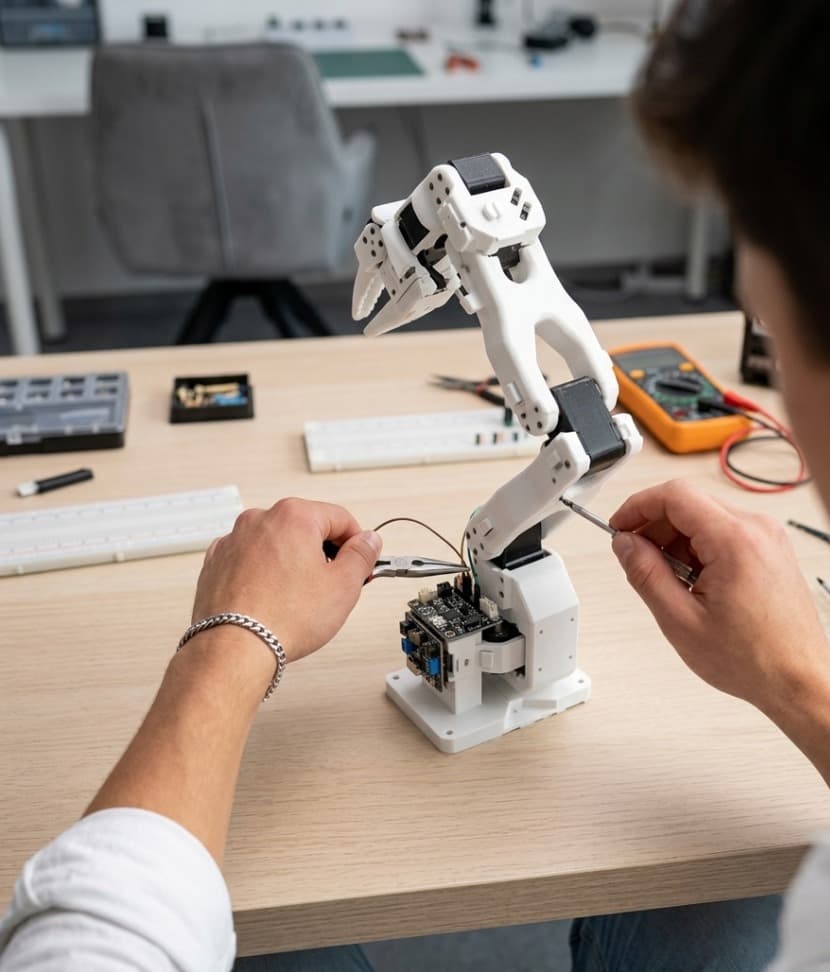
Vision-language-action policies trained end to end and deployed on SO-101 robot hardware, for experiments in imitation learning and bimanual manipulation.
 04 / 04
AI & Software
An AI assistant inside a German online shop that handles product advice, orders, returns and after-sales support, connected to inventory, order data and customer history.
04About
I studied computer science at TU Munich and worked as a backend engineer at Siemens for two years alongside my studies. After graduating, I spent two years at Devanthro on embodied AI and robotics control, first as a research engineer, then as founder's associate. I then co-founded two SaaS companies: ShareYourSpace, a coworking marketplace acquired by Pixida GmbH in 2026, and Rechnungs-API, an API for invoice automation.
Today I work as an independent R&D engineer. Alongside client projects, I continue my research at Devanthro on the OpenArm platform and at the University of Oxford with Prof. Pierre-Alexis Mouthuy on sensor-integrated bioreactors for artificial muscles.
And I keep building things for myself. A smart coffee roaster I built quietly turned into a small roasting brand, Marie Lou Coffee. I retrofit espresso machines, train robot arms, run more smart home experiments than strictly necessary and write my own machine learning and robotics frameworks in Rust.
05Contact
Tell me about the problem, the idea or the half-finished prototype on your desk. A few sentences are enough to start, and if I'm not the right person for it, I'll say so.